


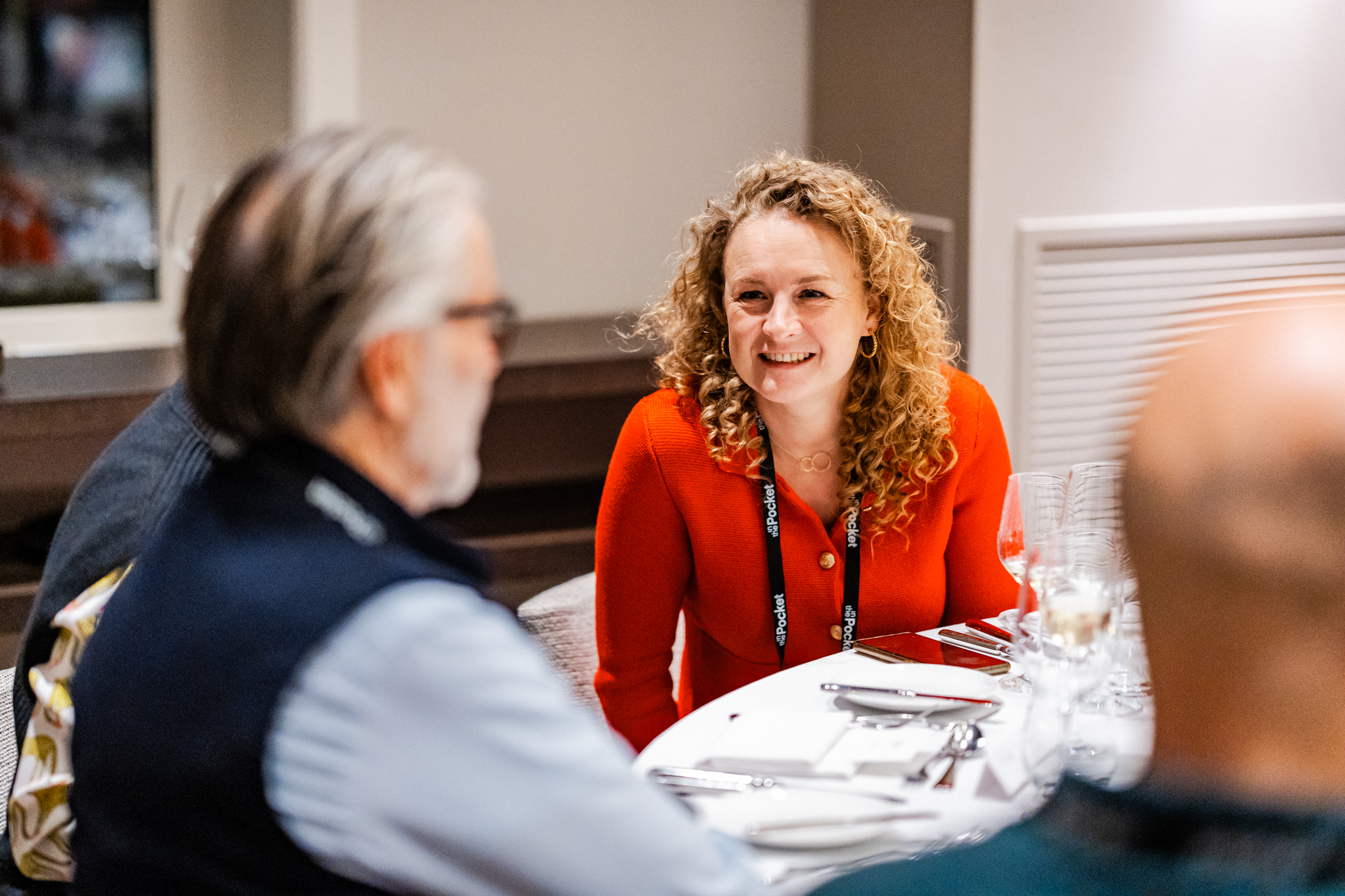

Companies need to shift their attention: they should no longer see diversity and inclusion as a task exclusively for their HR department. Leading digital organizations need to realize that diversity has to be a part of their strategy and should be woven into every aspect of the employee life cycle.
Having a diverse team is beneficial to any company. A balanced workforce is crucial for a business as it brings tangible benefits such as sharing ideas, increased profits and creativity for new projects. Diversity comes in many forms. Some of the key characteristics of workforce diversity are innate or acquired and include race, gender, education, age, religion, ability, socioeconomic background and sexual orientation. But when we talk about workforce diversity, we’re talking about bringing together a variety of people in the workplace. People who bring different perspectives to the products you build.
If we dive a little deeper in the history of computer engineering, it was a woman, Ada Lovelace, who has been called the world's first computer programmer. She wrote the world’s first algorithm for an early computing machine that existed only on paper. Of course, someone had to be the first, but Lovelace was a woman, and this was at the beginning of the 19th century.
Another pioneer in computer engineering was Margaret Hamilton. Working at the Massachusetts Institute of Technology (MIT), she played a critical role in landing astronauts on the moon for the first time on 20th July 1969 and returning them safely to Earth a few days later. As a computer engineer, she was responsible for the team that created the onboard flight software for the Apollo missions. The computer system was the most advanced of its day. Margaret Hamilton’s meticulous approach was so successful that no software bugs were found during any crewed Apollo missions.
How is it that an industry which essentially owes its origin to a female genius so often ignores diversity?
When Apple released its health app in 2014, you could track almost every health metric a person might need. But what was left out was menstruation, a basic bodily function experienced by almost 50% of the world’s population at some point. It took Apple more than a year to adjust its app. It's a great example of how this story could have been different with more awareness and equal involvement of women in the design process.
If we look at the massive breakthroughs in machine learning, the diversity topic becomes even more important. Thanks to machine learning and deep learning we can now perform complex functions such as facial recognition. All the same, some of these groundbreaking AI tools are rife with bias and discrimination. Facial recognition systems often misidentify people of colour. Computer vision systems for self-driving cars have difficulties detecting people with darker skin tones. How is this possible? According to a study by New York University's AI Now Institute, it’s because the people building these technologies are overwhelmingly white and male.
All these examples show that the variety of perspectives that come from diverse teams could help to make products stronger, and ultimately serve users better. To make sure your services and products cater for everyone, a diverse team is a must.